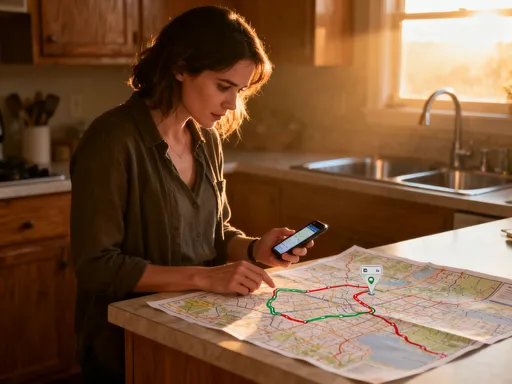
What If Your Family Could Turn Every Trip into a Stress-Free Adventure Together?
Remember those weekend outings that end in backseat meltdowns, confused turns, and frustrated sighs? You’re not alone. For parents, planning a simple shopping trip with kids can feel like organizing a military mission. But what if the right tech could quietly simplify the chaos, turning tension into teamwork and confusion into connection? Imagine arriving relaxed, with time to laugh, explore, and actually enjoy the moment—no yelling, no detours, just smooth journeys where everyone feels involved. That’s not fantasy. It’s possible today.
The Hidden Struggle of Family Trips: More Than Just Getting from A to B
Let’s be honest—family trips aren’t just about moving from one place to another. They’re emotional journeys, packed with expectations, energy, and, yes, a lot of unpredictable moments. Think about it: you’ve packed the snacks, double-checked the diaper bag, and made sure everyone used the bathroom—only to hear “Are we there yet?” three minutes after pulling out of the driveway. As a mom of two, I’ve been there more times than I can count. And it’s not just the little ones who feel the pressure. Parents carry the invisible weight of keeping everyone safe, happy, and on schedule, all while navigating traffic, last-minute changes, and the ever-present fear of a full-blown meltdown in the middle of a parking lot.
What most people don’t talk about is how emotionally draining these moments can be. It’s not the distance that wears you down—it’s the constant mental load. You’re managing navigation, monitoring moods, remembering stoplights and school pickup times, all while trying to stay calm and present. And when things go off track—like when GPS sends you down a confusing one-way street or your toddler suddenly refuses to stay in the car seat—it’s easy to feel like you’re failing. But here’s the truth: you’re not failing. You’re just trying to do too much with tools that weren’t built for real family life.
Traditional planning often falls short because it treats travel like a transaction: input a destination, get directions. But family travel is messy, emotional, and full of moving parts. The real challenge isn’t finding the fastest route—it’s keeping everyone feeling included, calm, and connected. That’s where technology, when used the right way, can make all the difference. It’s not about replacing parenting or overloading your phone with apps. It’s about having quiet support that helps you breathe easier and enjoy the ride—literally.
How Smart Route Planning Becomes a Family Partner, Not Just a Tool
Imagine a GPS that doesn’t just tell you to “turn left in 500 feet,” but also says, “You might want to stop at the park in 10 minutes—your daughter’s nap usually ends around now.” Sounds like science fiction? It’s not. Modern route planning tools have evolved far beyond simple turn-by-turn directions. They’ve become thoughtful partners that learn your family’s rhythms and anticipate your needs. These aren’t just apps—they’re like that one friend who always remembers your coffee order and knows when your kids get cranky before you do.
Smart route planners now use real-time traffic data, yes—but they also take into account things like your child’s nap schedule, preferred rest stops, or even your grocery list. Some apps allow you to set routines: “On Saturdays, we go to the farmers’ market first, then the library.” Over time, the app starts suggesting those stops automatically, adjusting for traffic so you’re not rushing. And when unexpected delays pop up, instead of just showing a red line on the map, it might say, “Traffic is heavy—would you like to take a detour through the park instead?” That small shift—from cold data to warm guidance—changes everything.
One of the most powerful features? Letting kids see the journey unfold. A simple, colorful map on a tablet shows a little car moving along the road. “Look, we’re passing the big red bridge!” my son once shouted, completely absorbed. That moment of engagement replaced 15 minutes of “Are we there yet?” Because when children can see progress, they feel part of the journey, not just passengers. And when they feel involved, they’re calmer, more patient, and even helpful. That’s not just convenience—that’s connection.
Turning Shopping Trips into Shared Adventures with Real-Time Collaboration
Let’s talk about shopping. For many parents, it’s the last thing we want to turn into an “adventure.” We want it fast, efficient, and meltdown-free. But what if we stopped seeing shopping as a chore and started seeing it as a chance to bond? New family-friendly route apps are making that possible by turning every trip into a shared experience. Instead of dictating the plan, you invite your kids into it—literally.
Here’s how it works: before you leave, you open the app and let each child pick a role. One chooses the music for the drive—maybe it’s their favorite sing-along playlist. Another gets to mark a “must-visit” spot on the store map, like the toy aisle or the bakery counter. These aren’t big decisions, but they matter. They give kids a sense of ownership, and that small feeling of control can prevent power struggles before they start. I remember one trip to the mall where my daughter picked the route through the indoor garden instead of the noisy food court—and suddenly, the whole mood shifted. We weren’t just shopping; we were exploring.
Real-time updates keep everyone in the loop. A message pops up on the tablet: “We’re 10 minutes away!” or “Next stop: ice cream after the pharmacy!” That simple notification reduces anxiety because kids know what’s coming. No more surprise transitions that throw them off. And as a parent, you can preview store layouts and plan your path to avoid high-tension zones—like steering clear of the candy aisle when you’re on a mission for socks. Some apps even let you create a visual checklist, so kids can “check off” each stop with a tap. It’s not just efficient—it’s fun.
The result? A smoother, calmer trip where everyone feels like they’re part of the team. And when kids are engaged, they behave better. Not because you’re bribing them, but because they feel seen, heard, and included. That’s the real win—not just getting the groceries, but arriving home with your energy intact and maybe even a few happy memories.
Building Patience and Excitement: How Visual Progress Keeps Kids Calm
Here’s a truth every parent knows: children don’t experience time the way we do. Telling a four-year-old “We’ll be there in 10 minutes” is like saying “sometime in the distant future.” It’s abstract, invisible, and frankly, not very helpful. But show them a colorful progress bar that fills up as you drive, or a little car moving along a simple map, and suddenly, waiting becomes something they can understand. That’s the power of visual progress.
Some family-friendly navigation tools use gamification to make the journey more engaging. Every time you pass a milestone—like crossing a bridge or entering a new town—a cheerful chime plays, and a digital sticker appears on the screen. “We got the tree sticker!” my son cheered during a long drive to visit Grandma. These small rewards don’t cost anything, but they build excitement and patience in a healthy way. Instead of counting down the minutes, kids are looking forward to the next “win.” And that shift—from impatience to anticipation—can be the difference between a peaceful ride and a full-blown backseat battle.
I’ve noticed that when my kids can see how far we’ve come and how much is left, they’re more relaxed. They stop asking “Are we there yet?” because they can see the answer for themselves. It’s not magic—it’s design that respects how young minds work. Children thrive on predictability and visual cues, and when technology meets them where they are, it creates calm instead of chaos. One mom I spoke with told me her daughter used to cry during every car ride. Now, she brings her own tablet and tracks the route like a co-pilot. “She feels like she’s helping,” the mom said. “And honestly, she is.”
Making Decisions Together: Empowering Kids Through Simple Choices
Let’s talk about one of the most powerful tools in parenting: choice. When children feel like they have a say, they’re less likely to resist. It’s not about giving up control—it’s about sharing it in small, meaningful ways. And modern route apps make this easier than ever. Instead of deciding every detail yourself, you can invite your kids into the planning process with simple, fun choices.
Imagine pulling up a shared family map and asking, “Should we go to the bakery or the bookstore first?” The app lets each child tap their preference, and you go with the majority. It’s not just about the destination—it’s about the feeling of being heard. These micro-moments of inclusion build confidence and cooperation over time. My son once picked the route to the park because it went past the fire station. He wanted to see the trucks. Was it the fastest way? No. But it was the right way for him—and for our family in that moment. And because he helped choose, he was patient, excited, and proud of his decision.
Some apps even let kids name their favorite places on the map. “This is Lily’s Ice Cream Spot” or “Daddy’s Coffee Place.” Those little labels create emotional connections to places and routines. Over time, kids start to understand planning, timing, and compromise—without any lectures. It’s all happening in real life, through play and participation. And as a parent, you’re not just getting from point A to B—you’re teaching life skills in the most natural way possible. That’s the beauty of tech that supports, not replaces, real parenting.
From Chaos to Calm: Real Stories of Families Who Found Their Rhythm
Sarah, a mom of two from Ohio, used to dread weekend shopping trips. “I’d spend the whole drive trying to keep the peace,” she told me. “By the time we got to the store, I was already exhausted.” Then she started using a shared route app with her kids. Now, she projects the map onto the backseat tablet. “They track every turn, and we celebrate when we pass landmarks,” she said. “It’s turned into a game. And somehow, I’m not yelling anymore.”
Then there’s James, a single dad in Colorado, who wanted to teach his son about responsibility. He started using a route planner that shows fuel efficiency based on driving habits. “We talk about which routes save gas,” he said. “It’s sparked real conversations about the environment and taking care of our car.” His son now looks forward to “eco-runs” and even reminds James to check tire pressure. It’s not just about saving money—it’s about bonding over shared values.
These aren’t perfect families with perfect kids. They’re real people using simple tools in smart ways. And the results? Less stress, more laughter, and a sense of teamwork that carries beyond the car ride. One mom said her daughter now says, “I helped plan the trip!” with real pride. That’s the kind of confidence that lasts. These stories aren’t outliers—they’re proof that when technology is designed with families in mind, it can bring out the best in all of us.
Choosing the Right Tools: Practical Tips for Parents Starting Out
If you’re thinking, “This sounds great, but where do I start?”—you’re not alone. Not all apps are built for families. Some are too complicated, full of buttons and settings that feel like you need a tech degree to use. Others collect too much data or aren’t designed with kids in mind. So how do you pick the right one?
First, look for ease of use. The best family tools are simple, intuitive, and work with just a few taps. You shouldn’t need to read a manual. Second, check for child-friendly features: large buttons, clear visuals, voice guidance, and maybe even fun sounds or stickers. Third, pay attention to privacy. Make sure the app doesn’t track your location when you’re not using it and allows you to control what data is shared.
Start small. Try using a shared route for one trip—maybe to the park or grocery store. Let your kids name a favorite place on the map. See how it feels. You don’t need to overhaul your whole routine. The goal isn’t tech overload; it’s intentional, simple adoption. Over time, these tools can become seamless helpers, quietly improving your daily life while strengthening family connections.
And remember: this isn’t about being a perfect parent or having the fanciest gadgets. It’s about giving yourself a little support so you can enjoy the moments that matter. Because when the logistics are easier, you have more space to laugh, talk, and just be together. That’s the real gift of smart tech—not more efficiency, but more presence. One trip at a time, you’re not just getting somewhere. You’re building something that lasts: a family that moves through the world with calm, confidence, and connection.