More than to-do lists: Apps that helped me finally feel in control of my days
Have you ever finished a long day and still felt like you accomplished nothing? I used to stare at my phone, overwhelmed by tasks I couldn’t seem to finish. Then I found a few simple apps that didn’t just organize my tasks—they changed how I think about my time. This isn’t about doing more; it’s about feeling calmer, clearer, and more like me. Let me show you how small digital shifts made a real difference in my life. It wasn’t magic. It wasn’t some overnight transformation. But it was real. And if you’ve ever felt buried under sticky notes, calendar alerts, and mental to-do lists that never seem to end, then this is for you. We’re not chasing perfection here—we’re reclaiming peace, one thoughtful choice at a time.
The Breaking Point: When My To-Do List Stopped Working
There was a Tuesday—like any other, except it wasn’t. I remember sitting on the couch at 10 p.m., my youngest finally asleep, dinner dishes still in the sink, and my phone glowing with unfinished tasks. I had written down twenty-seven things that day. Twenty-seven. Groceries. Pay the water bill. Call my sister. Respond to three work emails. Schedule the vet appointment. Buy birthday gift. Fold laundry. Send thank-you note. The list just kept growing. And yet, I hadn’t completed a single one with any sense of calm or satisfaction. Instead, I felt like a failure. Like I was failing my family, my job, and myself. I wasn’t lazy. I wasn’t unmotivated. I was drowning in my own good intentions.
That night, I realized something painful: my to-do list wasn’t helping me. It was hurting me. It had become a scoreboard of guilt, not a tool for progress. Every unchecked item whispered, You didn’t do enough. Every new addition made me feel smaller. I started avoiding the list altogether, which only made things worse. I’d forget appointments. I’d show up late. I’d snap at my kids because I was mentally spinning, trying to remember what I was supposed to do next. My phone, which was supposed to make life easier, had become a source of constant low-grade panic. I needed help—but not just any help. I needed something that understood real life: the school pickups, the surprise doctor’s visits, the days when all you can manage is making toast and getting everyone dressed. I needed a system that didn’t judge me for being human.
Looking back, I see now that the problem wasn’t the tasks. The problem was the way I was managing them. I was trying to do everything at once, with no sense of priority or peace. I was using tools designed for efficiency experts and treating myself like a machine. But I’m not a machine. I’m a mom, a partner, a daughter, a friend—and I needed a system that honored that complexity, not ignored it.
Discovering Simplicity: How Less Became More
The turning point came when I stopped asking, What should I do? and started asking, What truly matters today? That shift changed everything. I stumbled on a blog post—no big tech reveal, just a real person sharing how she’d started limiting her daily tasks to just three. Three. Not thirty. Not ten. Three meaningful things. At first, I thought, That’s impossible. I have more than three things to do every single day. But then I paused. How many of those things were actually urgent? How many were just noise? How many could wait—or even be let go?
I decided to try it. Just one day. I opened a blank note on my phone and wrote: 1. Pack lunches for tomorrow. 2. Call the dentist to reschedule. 3. Read a bedtime story with feeling. That was it. No extra items. No mental side quests. Just those three. And something surprising happened: I did them. All of them. And I did them without rushing. Without stress. I even remembered to tuck in the blanket just the way my daughter likes it. That night, instead of scrolling through a mile-long list, I felt… light. Like I’d actually shown up for my life.
The next day, I tried it again. And the next. Slowly, I began to trust the process. I learned to separate the urgent from the important, and the important from the merely habitual. I stopped writing down every tiny thing that popped into my head. Instead, I started asking myself: Will this matter in a week? Will this bring me or someone I love peace or joy? If the answer was no, I let it go. Not forever—just for today. And in that space, I found clarity. I wasn’t doing less because I was slacking. I was doing less because I was focusing more. And that made all the difference.
The App That Changed Everything: A Tool That Fits Real Life
Here’s the truth: I didn’t find peace because I downloaded an app. I found peace because I changed my mindset—and then found an app that supported it. The app I eventually settled on is called Todoist. It’s not flashy. It doesn’t have AI that predicts your mood or a holographic assistant. But it’s clean, intuitive, and flexible in the way real life demands. I didn’t choose it because it has the most features. I chose it because it has the right ones.
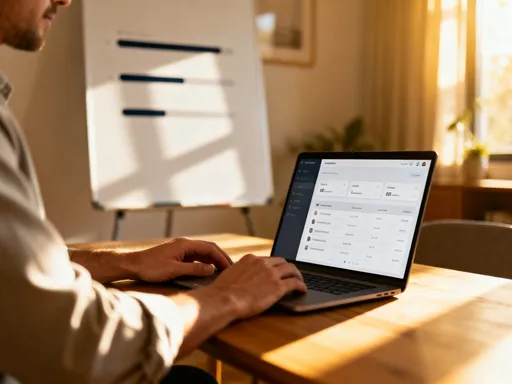
When I open Todoist, I see a simple list. No clutter. No distractions. I can add a task in seconds, and I can rearrange it with a drag and drop—because some days, the vet appointment really does have to come before folding the laundry. It sends me gentle reminders, not alarms that make me jump. And it lets me color-code tasks by project—family, work, personal—so I can glance and know what hat I’m wearing today. But the real magic? The “Today” view. Every morning, it shows me only what I’ve chosen to focus on. Nothing more. Nothing less. It’s like a digital version of that three-task rule I’d learned to love.
What I appreciate most is how it respects my rhythm. On busy days, I can collapse sections and just focus on one category at a time. On quiet mornings, I can plan ahead without feeling overwhelmed. It doesn’t punish me for missing a task. It just moves it forward with a quiet, non-judgmental nudge. I remember the first time I marked something as complete and felt a real sense of accomplishment—not because the app celebrated it with fireworks, but because I knew I’d done something that mattered. That’s the kind of tool I needed: one that doesn’t add pressure, but lifts it.
Making It Stick: Turning Tools into Habits
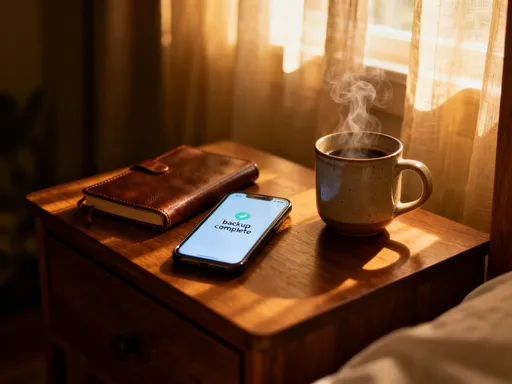
Here’s what no one tells you: the app won’t change your life. You will. The tool is just there to support you. And the real work happens in the daily choices—the small, quiet moments when you decide to show up for yourself. For me, that meant building a ritual. Every morning, after I pour my coffee and before I check email, I spend five minutes with my app. I review what’s carried over. I decide on my top three. I let go of what can wait. It’s not long. It’s not complicated. But it sets the tone for my day.
At first, I missed days. Life happened. The kids were sick. I overslept. I forgot. And when I did, I didn’t beat myself up. Instead, I asked, What would help me remember tomorrow? Sometimes, it was moving my phone charger to the kitchen. Other times, it was setting a daily reminder at 7 a.m. that said, “Breathe. Plan. Begin.” The goal wasn’t perfection. It was presence. I started celebrating tiny wins: the day I packed lunches the night before. The day I remembered to call my mom. The day I didn’t add ten new tasks by 9 a.m.
Over time, the app became less of a chore and more of a companion. It didn’t control me. I used it to care for myself. I learned to pause before adding a task: Is this mine to do? Is it kind to myself to take this on today? That simple question changed how I engaged with my responsibilities. I became more protective of my time, not out of selfishness, but out of love—for my family, for my peace, for my energy. And that shift? That’s where real change lives.
Beyond Productivity: How Clarity Improved My Relationships
You might think this is just about getting things done. But it’s not. It’s about showing up. When my mind isn’t cluttered with unfinished tasks, I’m more present. I listen better. I laugh more. I’m less reactive. I remember the first time I noticed this: my daughter was telling me about her school project, and instead of mentally planning dinner, I was actually hearing her. I saw the excitement in her eyes. I asked follow-up questions. And for the first time in weeks, I didn’t check my phone during dinner.
That moment stayed with me. I realized that my old way of managing tasks wasn’t just stressing me out—it was stealing time from the people I love. Every mental note I was holding onto was a tiny piece of my attention that wasn’t fully theirs. But when I started trusting my system, I could let go. I didn’t need to remember everything because I knew it was safe in my app. That freedom allowed me to be more patient, more engaged, more here.
My husband noticed it too. “You seem lighter,” he said one evening. “Like you’re not carrying the whole world on your shoulders.” And he was right. I wasn’t. I’d stopped trying to hold everything in my head, and in that space, I found more room for connection. I started scheduling “presence time” just like I scheduled grocery runs—ten minutes in the morning to just sit with my coffee and breathe, fifteen minutes at night to talk with my partner without distractions. These weren’t productivity hacks. They were love hacks. And they only became possible when I stopped treating my brain like a storage unit and started treating it like a home.
Tech That Serves You, Not the Other Way Around
Let’s be honest: technology can be a double-edged sword. It can connect us, but it can also consume us. I’ve had my moments—endless scrolling, notification overload, the guilty feeling of checking my phone during a family walk. So when I found an app that helped me, I was careful not to let it become another source of stress. I turned off most notifications. I only allow reminders for true priorities—doctor appointments, school events, calls with aging parents. Everything else? I check on my terms.
I also made peace with the fact that no app is perfect. Some days, I still feel overwhelmed. Some tasks take longer than expected. Some get dropped. And that’s okay. The app doesn’t measure my worth. It’s just a tool—one I use intentionally. I don’t let it dictate my pace. I use it to support my values: care, connection, balance. When I’m tempted to over-schedule, I ask myself, Does this align with how I want to live? If the answer is no, I delete the task. No guilt. No drama. Just clarity.
This isn’t about digital minimalism or quitting technology. It’s about using it with purpose. I still use my phone for photos, messages, recipes, and music. But now, I’m in charge. I decide when to engage and when to step away. I’ve created boundaries—no phones at the dinner table, no screens an hour before bed, no checking email after 8 p.m. These small rules have given me back something priceless: my attention. And with that, I’ve reclaimed my time, my calm, and my joy.
A Calmer, Clearer Life—One Small Step at a Time
Looking back, I see how far I’ve come. I’m not the woman who sits on the couch at midnight, defeated by a list she can’t finish. I’m not the one who feels guilty for resting. I’m not the one who forgets the small things that make life beautiful. I’m the one who packs the lunches the night before. Who remembers the birthday card. Who reads the bedtime story with all the voices. Who looks up from her phone and sees her family.
The journey wasn’t about finding the perfect app. It was about finding myself again. It was about learning that productivity isn’t about doing more—it’s about doing what matters. It’s about creating space for what truly counts: presence, peace, and love. The tools helped, yes. But the real change came from within. It came from deciding that I was worth the effort. That my time was valuable. That my calm was non-negotiable.
If you’re reading this and thinking, I could never get organized, I want you to know: you don’t have to be perfect. You just have to begin. Start with one task. One quiet morning. One small decision to care for yourself. Use a simple app, a notebook, a sticky note—whatever feels kind. Let go of the rest. Trust that the things that matter will find their way back to you.
Because this isn’t about control. It’s about freedom. Freedom from mental clutter. Freedom from guilt. Freedom to live a life that feels like yours. And that? That’s worth every small step you take toward it.