Tired of feeling uneasy when you’re away from home? This smart setup gave me peace of mind
Leaving the house used to come with a nagging worry—did I lock the door? Close the garage? What if someone walked in while I was gone? I used to call neighbors to check, or rush back just to be sure. Then I tried smart security in my entertainment space, and everything changed. It wasn’t about high-tech gadgets—it was about feeling safe, connected, and truly at ease. This is how I turned a once-ordinary living room into a secure, smart hub that protects my family without complicating life.
The Moment I Realized My Home Wasn’t as Safe as I Thought
It was a rainy Tuesday night when my sister called. “Did you mean to leave your front door unlocked?” she asked. I sat up straight, heart pounding. “What? No! Are you sure?” She’d been driving by, saw the door slightly ajar, and stopped to check. I hadn’t even been home—I was at a friend’s house for dinner. That moment hit me like a cold splash of water. I thought we were safe. We had deadbolts, outdoor lights, and a good neighborhood. But none of that mattered if I couldn’t be certain everything was secure when I wasn’t there.
Looking back, I realized how often I’d been living on instinct rather than real protection. I’d text my partner to “just glance” at the garage door before bed. I’d retrace my steps mentally every time I left the house: Did I lock the back door? Was the window in the living room fully closed? Our entertainment space—where we gathered for movie nights, hosted friends, and let the kids sprawl on the floor with snacks—was also the least monitored part of the house. The TV, the speakers, the game console… they were all about fun, but they weren’t helping us stay safe.
I started noticing patterns. I’d wake up wondering if I’d forgotten to arm something—or if I’d even had anything to arm in the first place. That’s when it hit me: our favorite room, the heart of our home, was also the most vulnerable. It wasn’t that I expected a break-in. It was that I couldn’t trust my own memory or habits. And no amount of worrying was going to change that. I needed something better—something that didn’t rely on me being perfect, but still kept us protected.
Turning the Entertainment Room into a Watchful Space
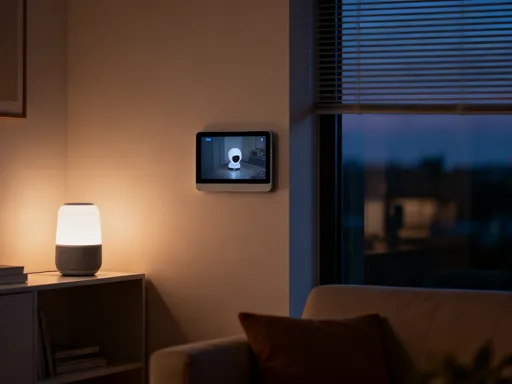
I didn’t want a home that felt like a surveillance center. No blinking red lights, no complicated panels, no wires snaking across the floor. What I wanted was something that felt natural—like it belonged. So I started small, right where we spent most of our time: the living room. I added a smart display near the TV, one that looks like a sleek digital photo frame when it’s not in use. But when motion is detected, it wakes up and shows a live feed from the camera mounted discreetly above the bookshelf. It’s subtle, elegant, and—most importantly—always watching.
Next came the smart speaker. We already had one for music and weather updates, so I upgraded to a model with built-in security alerts. Now, if the back door opens unexpectedly, it says in a calm, clear voice: “Back door opened.” No blaring siren, no panic—just a gentle heads-up. I love that it doesn’t feel like an intrusion. It’s like having a quiet friend in the room who’s looking out for us.
The real game-changer? These devices don’t replace our routines—they enhance them. We still gather around the TV for family movie nights. The kids still leave their toys on the floor. But now, the room itself is part of our safety net. The camera sees everything, but it doesn’t dominate the space. It’s tucked into the corner, almost invisible, doing its job without demanding attention. And because it’s integrated with things we already use—like the speaker and the TV—it doesn’t feel like I’ve turned my home into a lab. It just feels like home, only smarter.
How Invisible Protection Changed Our Daily Routines
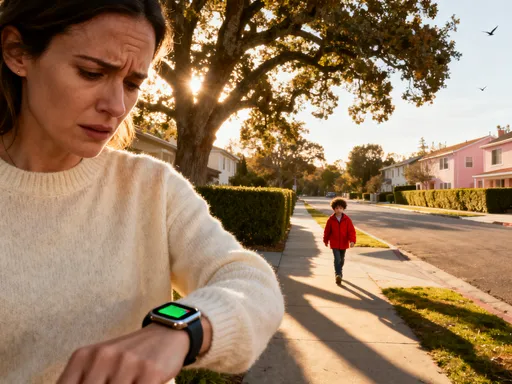
The first time I got a notification from my phone while at the grocery store—“Motion detected in living room”—I admit, I froze. My mind raced. Who was in there? Then I remembered: my teenager had come home early from school. I opened the app, tapped the live feed, and saw him grabbing a snack from the kitchen. Relief washed over me. But more than that, I felt something new: control. I wasn’t helpless. I could check in anytime, from anywhere, without driving home or calling a neighbor.
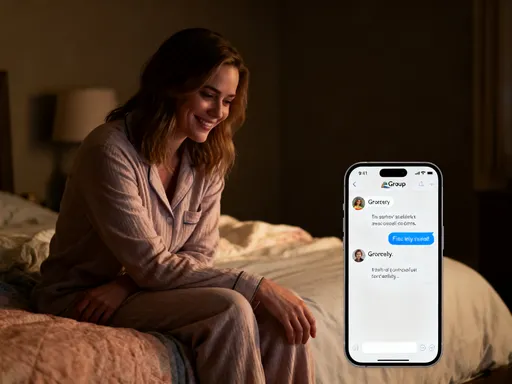
Now, these little moments happen all the time. My partner checks the camera from bed with a simple voice command: “Hey, show me the living room.” The screen on our bedroom tablet lights up with the feed. No getting up, no stress. Even our dog’s midnight snack raids are caught on camera—but instead of worrying, we laugh. “There he goes again,” we say, watching him nudge the treat jar with his nose. The system learns our habits and stops sending alerts during normal activity. Movie nights? No notifications. Game days with the kids? Silent. But if someone walks in at 3 a.m. when no one should be there? That’s when it speaks up.
What’s changed isn’t just the technology—it’s how we feel. We used to live in a cycle of doubt: Did I lock it? Should I check? What if? Now, we live in a rhythm of trust. The system doesn’t make us paranoid. It makes us present. We’re not constantly looking over our shoulders—we’re just aware. And that small shift has made a huge difference in how we move through our days.
Family Trust and Shared Peace of Mind
One of the most unexpected benefits was how it brought my family closer. I shared access to the system with my parents, who live just ten minutes away. They don’t have keys to our house—out of respect for boundaries—but they do have viewing access. When we travel, I send them a quick message: “Can you keep an eye on things?” And they do. Not by showing up or interfering, but by checking the feed if a delivery person comes by or if the weather turns stormy.
Last winter, a package was left on our porch during a downpour. My mom saw it through the camera, grabbed her umbrella, and brought it inside. She left it by the door with a little note: “Rescued from the rain.” That small act meant more than security—it meant care. It wasn’t about surveillance. It was about connection. The system didn’t replace human kindness. It made it easier to act on it.
My dad even started using the voice command to check in: “Is the garage door closed?” The speaker responds, and he knows in seconds. No phone calls, no guesswork. It’s become a quiet way for us to look out for each other, even when we’re not under the same roof. And for me, that’s the real win. Security isn’t just about keeping bad things out. It’s about making it easier for the people we love to support us—without any extra effort.
Simple Setup, No Tech Stress
I’ll be honest—I was nervous about setting it all up. I’m not a tech expert. I don’t enjoy reading manuals or troubleshooting apps. I pictured tangled wires, confusing menus, and hours of frustration. But the reality was completely different. Most of the devices connected in minutes. The smart display walked me through each step with clear, simple prompts. “Add camera? Tap here.” “Name your room? Type ‘Living Room.’” It felt like setting up a new photo album, not installing a security system.
The app was intuitive, with large icons and a clean layout. I could see all my devices at a glance, check camera feeds, or adjust settings with just a few taps. Even pairing the smart speaker with the camera was seamless—no coding, no hidden settings. I didn’t need to hire someone. I didn’t need to watch tutorial videos. And to my surprise, my teenager figured out how to mute the alerts during homework time before I even asked.
What I appreciate most is that the system respects my time and my energy. It doesn’t demand constant attention. It doesn’t send me ten notifications a day. It works quietly, reliably, without needing me to become a tech wizard. I’m still just a mom who cares about her family. But now, I have tools that help me protect them—without adding stress to my day.
Real Security That Feels Like Home
One of my biggest fears was that my home would start to feel like a fortress—cold, clinical, full of warning signs. But the opposite happened. Guests don’t notice the camera. They see the cozy couch, the warm lighting, the family photos. The tech blends in, not stands out. When the garage door is left open, the system doesn’t scream. It sends a soft chime to my phone and a gentle message: “Don’t forget the garage.” It’s like a quiet reminder from a thoughtful friend, not a scolding from a machine.
The alerts are designed to inform, not alarm. If motion is detected at an unusual time, I get a notification—but I can choose how to respond. I can watch the feed, silence the alert, or even lock the smart door remotely. There’s no pressure, no panic. Just options. And because the system learns our routines, it knows when we’re home, when we’re sleeping, when the kids are playing. It adapts to us—instead of making us adapt to it.
This isn’t about fear. It’s about freedom. Freedom to leave the house without double-checking the locks. Freedom to relax on vacation knowing someone’s watching. Freedom to live fully, without the background hum of worry. The best part? It doesn’t change how we live. It just makes it safer so we can enjoy it more.
Living Freely, Because We’re Truly Protected
Today, I walk out the door without hesitation. I don’t retrace my steps. I don’t call a neighbor. I don’t drive back “just in case.” I trust the space where we laugh, where we argue, where we come together as a family. That trust didn’t come from stronger locks or louder alarms. It came from knowing that our home is watching over us—quietly, intelligently, and with care.
The smart upgrades didn’t transform our living room into something cold or technical. They made it more like home. More secure, yes—but also more connected, more peaceful. I don’t think about the cameras or the alerts anymore. They’ve become part of the background, like the Wi-Fi or the thermostat. But when I need them, they’re there—ready, reliable, and reassuring.
For so long, I thought security meant sacrifice—giving up comfort for safety, simplicity for control. But I was wrong. Real security doesn’t take anything away. It gives us back our time, our peace of mind, our ability to live without fear. It lets us focus on what matters: our family, our moments, our joy. And in the end, that’s the greatest comfort of all. Because when we feel truly protected, we’re finally free to live.