From Overwhelmed to Fully in Control: How Project Management Platforms Quietly Transformed My Workflow
Ever felt like you’re busy all day but still can’t check off what truly matters? I used to drown in sticky notes, missed deadlines, and endless email chains—until I discovered how simple progress tracking could change everything. It wasn’t about working harder. It was about seeing my work clearly, breathing easier, and actually *feeling* progress. This is less about software and more about peace of mind. I remember staring at my kitchen table one Sunday night, surrounded by paper lists, half-empty coffee cups, and a growing sense of dread. I had done *so much*, yet nothing felt finished. The next morning, I tried something different—just one small change—and slowly, the chaos began to quiet down.
The Daily Chaos: When “Busy” Doesn’t Mean “Productive”
Does this sound familiar? You wake up with good intentions, brew your coffee, and sit down ready to tackle the day—only to get pulled in ten directions before lunch. An urgent email comes in. Your phone buzzes with a reminder you forgot to schedule. A child needs help with homework. A work deadline creeps up like a surprise guest. By evening, you’re exhausted, but when you look back, you can’t point to one real win. You were busy—yes—but were you moving forward?
I used to live like that. My brain felt like a browser with 50 tabs open, none of them closing. I’d write tasks on sticky notes and lose them under mail. I’d start a project, get interrupted, and forget where I left off. I’d promise myself I’d organize “tomorrow,” but tomorrow always looked the same. The worst part wasn’t the mess—it was the guilt. I’d lie in bed thinking, Did I reply to that client? Did I sign the school form? Did I even eat lunch? I was doing everything, yet nothing felt complete. And that constant mental hum—the low-grade anxiety of forgetting something important—never quite went away.
What I didn’t realize then was that the problem wasn’t my effort. It was my system. Or rather, the lack of one. Being busy doesn’t mean you’re making progress. In fact, the busier I felt, the more stuck I seemed. Tasks would float in and out of my awareness, never fully captured, never truly managed. I needed a way to see my work—not just remember it. I needed to stop chasing my own to-do list and start leading it.
Discovering the Hidden Power of Visual Progress Tracking
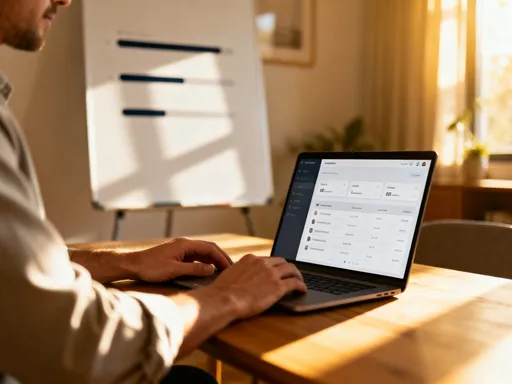
The shift started with a simple observation. A friend mentioned she used a project platform to manage her freelance work. I pictured something technical, cold—maybe even stressful. But when she showed me her dashboard, I was surprised. It wasn’t complicated. It was clean. Color-coded. And right at the top? A progress bar that updated every time she moved a task forward. Nothing fancy. But something about it caught my attention.
I decided to try it with one small project: planning a family weekend getaway. I listed everything—booking the cabin, packing the kids’ clothes, confirming the itinerary. Then I created a simple board with three columns: “To Do,” “In Progress,” and “Done.” Every time I completed a step, I dragged it into “Done.” And something unexpected happened. I felt good. Not because the trip was life-changing, but because I could see that I was making headway.
That little “Done” column became my quiet motivator. It wasn’t about rewards or praise. It was about clarity. When I could see what I’d finished, I stopped doubting whether I was doing enough. I wasn’t just reacting to the day—I was guiding it. That progress bar, those moving cards, they turned invisible effort into visible wins. And that changed how I felt about my entire workflow. For the first time in years, I didn’t feel behind. I felt on track.
How Progress Tracking Builds Momentum Without Pressure
One of the biggest myths about productivity is that you need pressure to perform. We’ve been taught that deadlines, alarms, and urgent reminders are what keep us going. But what if the opposite is true? What if the real secret to getting things done isn’t stress—but calm?
That’s what I found when I started using a project dashboard for daily check-ins. Every morning, I’d spend five minutes reviewing my tasks. Not to panic, not to overload—just to see what was coming up and where I stood. I’d update a few statuses: “researching” to “drafting,” “waiting on reply” to “follow-up sent.” Simple actions. But they had a powerful effect.
My mind began to relax. I wasn’t trying to remember everything anymore. I wasn’t afraid of dropping the ball. The system held the details, so I could focus on doing the work. And because I could see what was pending, what was blocked, what was complete, I stopped wasting energy on mental clutter. Decision fatigue faded. I made better choices about where to focus because I wasn’t guessing.
Here’s the beautiful part: this wasn’t about doing more. It was about doing what matters—without the weight. Progress tracking didn’t push me harder. It helped me move smoother. It gave me rhythm. And in that rhythm, I found momentum. Not the frantic kind, but the steady, quiet kind that builds real results over time. I wasn’t racing. I was walking with purpose.
Making It Personal: Customizing Tracking to Fit Your Rhythm
One size doesn’t fit all—and that’s especially true when it comes to how we work. I learned early on that copying someone else’s system didn’t work for me. I tried rigid timelines, strict categories, and even time-blocking. It felt forced. Like wearing shoes that pinch.
What changed everything was realizing I could make the tool fit me—not the other way around. I started small. I added color codes: blue for creative tasks, green for family, yellow for errands. I grouped tasks by energy level—high-focus work in the morning, low-effort ones in the afternoon. I even started using emojis: a coffee cup for tasks that need focus, a heart for things that bring joy, a star for priorities.
Suddenly, my task list didn’t feel like a chore. It felt like a conversation. I’d smile when I saw the heart next to “bake cookies with the kids” or the star by “finish my online course.” The platform wasn’t bossing me around—it was cheering me on. And because it reflected my life, I actually used it. Consistently. Without resistance.
The freedom to customize made all the difference. I wasn’t following a rigid system. I was building a rhythm that worked for my days, my energy, my goals. And when a tool feels like a companion instead of a taskmaster, you’re far more likely to stick with it. That’s how small changes become lasting habits.
Sharing Progress Without Stress: Strengthening Team and Family Collaboration
At first, I thought project platforms were just for solo work. But then I realized: life isn’t lived alone. We share responsibilities—with partners, with kids, with coworkers. And when everyone is in the dark about what’s happening, things fall through the cracks. Misunderstandings happen. Frustration builds. And before you know it, someone’s saying, “I thought you were handling that.”
So I tried something new. I created a shared board for our family’s weekly routine. Chores, meal planning, school events, even “date night” reminders. I invited my partner and older kids to view it. At first, it felt odd—like putting our private life online. But within days, the tension around “who’s doing what” began to dissolve.
Now, when my son finishes his homework, he marks it as done. My partner sees it and doesn’t have to ask. When I add “buy birthday gift” to the list, someone else can pick it up if I’m busy. We don’t nag. We don’t assume. We just check the board. It’s not about control—it’s about clarity. And that clarity has brought us closer.
I’ve used the same approach at work, too. Instead of long email threads or daily check-in meetings, our team uses a shared project view. Everyone sees the status of each task. No one feels left out. No one feels micromanaged. We trust each other more because we can see the progress—without needing to ask. Transparency, it turns out, isn’t cold or clinical. It’s kind. It’s freeing. And it builds real connection.
Beyond Tasks: Tracking Growth, Not Just To-Dos
One of the most surprising benefits of using a project platform didn’t show up in my work—it showed up in my sense of self. I started wondering: if I can track a project, why can’t I track personal growth? So I created a new board. Not for tasks. For me.
I listed things like “read 20 minutes a day,” “practice gratitude journaling,” “reduce screen time before bed.” At first, I wasn’t sure it would work. These aren’t tasks with clear deadlines. But I treated them like any other project. I set small milestones. I celebrated tiny wins. I used the progress bar not to measure perfection, but to see how far I’d come.
And something shifted. I stopped seeing these goals as things I “should” do. They became part of my journey. When I marked “journaling—day 12” as complete, I didn’t feel guilty about missing day 7. I felt proud of making it to day 12. The platform helped me focus on progress, not perfection. It turned abstract intentions into visible steps. And that made all the difference.
I’ve even used it to track learning—like taking an online course or practicing a new skill. Breaking it into small, trackable pieces made it feel achievable. Instead of thinking, “I need to learn Excel,” I’d think, “Today, I’ll complete Module 3.” And when I moved that card to “Done,” I felt it. Growth. Not loud or flashy—but real, quiet, and mine.
The Quiet Confidence of Knowing Where You Stand
Looking back, the biggest change wasn’t in my productivity. It was in my peace of mind. I no longer wake up anxious about what I might forget. I don’t end my days feeling like I’ve been running in circles. I have a system that holds my work, my goals, my life—so I don’t have to hold it all in my head.
Progress tracking didn’t make me busier. It made me calmer. It gave me space to breathe, to focus, to be present. When I can see where I am, I don’t waste energy doubting myself. I trust my rhythm. I trust my process. And that trust has spilled into every part of my life.
The best technology, I’ve learned, isn’t the one that shouts the loudest. It’s the one that settles your mind. The one that doesn’t add to the noise—but helps you find your way through it. A simple progress bar, a shared board, a color-coded task—these aren’t just tools. They’re quiet acts of care. For your time. For your energy. For your peace.
If you’re feeling overwhelmed, I want you to know: it’s not about doing more. It’s about seeing clearly. It’s about giving yourself the gift of clarity, one small step at a time. You don’t need a perfect system. You just need a starting point. Open a board. List three things. Move one forward. Watch how it feels. Because when progress is visible, you’re not just getting things done—you’re reclaiming your calm, your confidence, your life.