Finally, a Shopping Tool That Gives Your Weekends Back
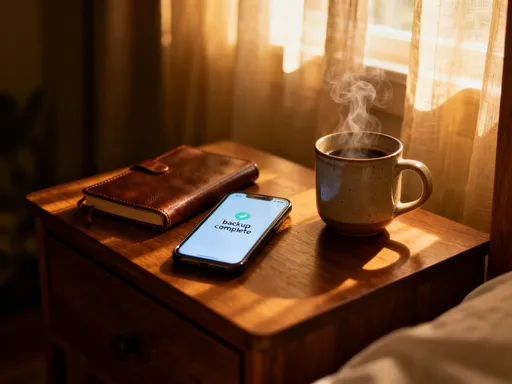
Imagine lying in bed on a Saturday night, scrolling not through endless deals, but a simple list of groceries your neighbor already vetted—no stress, no tabs, just quiet confidence. This isn’t about saving money alone. It’s about reclaiming time, trust, and ease in your weekend rhythm. For busy people juggling family meals and personal peace, community group buying is quietly transforming late-night clicks into real-life relief. It’s not flashy, and you won’t see it on tech billboards—but it’s changing how families rest, connect, and breathe easier on Sundays. This is tech that doesn’t demand attention. It gives it back.
The Weekend Wind-Down That Turned Into a Shopping Spiral
How many times have you found yourself, pajamas on, kids finally asleep, scrolling through grocery apps at 10 p.m. on a Sunday? You’re not shopping because you love it. You’re doing it because the fridge is half-empty, the week looms, and the mental checklist won’t shut off. One by one, you open tabs: delivery times, coupon codes, bulk discounts. You compare the price per ounce of almond milk, wonder if the organic carrots are worth the extra dollar, and panic when the next delivery slot is two days away. What started as a quick errand becomes a decision marathon—exactly when your brain is least equipped to handle it.
This isn’t just about groceries. It’s about the invisible load so many of us carry—the mental labor of managing a household. You’re not just picking dinner ingredients. You’re balancing nutrition, budget, picky eaters, and last-minute changes. And by Sunday night, after a full week of work, school runs, and family needs, that load feels heaviest. The irony? We use technology to simplify shopping, but too often, it adds more noise. Endless options, autoplay videos, and targeted ads don’t help us choose—they paralyze us. The tools meant to save time end up stealing it, one pop-up at a time.
And the cost isn’t just in minutes lost. It’s in peace. That moment when you should be unwinding—reading, chatting with your partner, or just staring at the ceiling in sweet silence—gets hijacked by the pressure to “get it done.” You fall asleep with the glow of the screen on your face, your to-do list still spinning. The weekend, meant to restore you, ends with a quiet sense of defeat. But what if it didn’t have to be this way? What if the same technology that overwhelms us could, instead, become a quiet ally—one that helps you pause, trust, and truly rest?
How Group Buying Became My Bedtime Peacekeeper
It started with a text. “Hey, we’re doing the group order—want in?” My neighbor Sarah had started a small group with three other moms on our block. Every Friday, she’d send a list in our WhatsApp chat: apples from the farmers market, pasta from the warehouse store, free-range eggs from a local farm. Prices were locked in. Delivery was pooled. All I had to do was reply with what I wanted by Saturday night. No apps to download. No passwords. Just a message thread and a shared rhythm.
The first week, I was skeptical. Was this really easier? Wouldn’t I miss out on my usual coupons? But then Saturday night came, and instead of opening five browser tabs, I opened one chat. There it was: a clean list, with notes like “These peaches are juicy!” and “Kid-approved granola bars.” I tapped out my order—six apples, two cartons of eggs, a bag of rice—and went back to my book. That’s it. No decisions. No stress. Just trust.
By Sunday afternoon, a message popped up: “Order arrived—pickup at Sarah’s porch at 5.” I walked over, bags labeled with our names, everything fresh and exactly as promised. The kids helped carry them home. And for the first time in months, I didn’t spend Sunday evening worrying about dinner or dreading the grocery store. I baked cookies with my daughter. We played a board game. I even went to bed early.
That small shift—from solo shopper to shared system—changed everything. I wasn’t just saving time. I was saving energy. The mental clutter that used to fill my weekends started to lift. And the best part? It didn’t feel like I’d outsourced my life. I’d simply found a better way to live it—with help, yes, but also with connection. This wasn’t about cutting corners. It was about building something steadier, kinder, and more human.
The Real Magic: Shared Effort, Less Stress
The truth is, the app we use—just a simple group chat—doesn’t do anything fancy. It doesn’t track spending, analyze your diet, or suggest recipes. But it enables something far more powerful: shared effort. In our group, we rotate roles. One week, Sarah gathers the deals. The next, I check quality at pickup. Another neighbor organizes the list. Someone else reminds everyone of the deadline. No one does it all. No one feels burdened. And because we take turns, it stays sustainable.
This rhythm has quietly reshaped our weekends. Instead of five families making separate trips to the store, we have one coordinated drop-off. Instead of each of us wrestling with delivery fees and minimums, we pool our orders and split the cost. We’re not just saving money—we’re saving time, gas, and frustration. But more than that, we’re preserving our peace. There’s no more rushing to meet a two-hour delivery window. No more returning items because the avocados were rock-hard. No more last-minute substitutions that the kids hate.
The technology here isn’t the hero. It’s the helper. It doesn’t replace human care—it amplifies it. The real work happens in the small acts: the neighbor who texts, “They had great spinach today—added it to the list,” or the mom who remembers my son’s nut allergy and flags a product. These aren’t features in an app. They’re moments of attention, care, and trust. And because we’re all in it together, the burden doesn’t fall on one person. The system breathes with us. When someone’s sick, we cover. When a kid has soccer, we adjust. It’s flexible, forgiving, and deeply practical.
And here’s the quiet miracle: it works while we sleep. While I’m reading or watching a show, the group is doing its thing. The list is built. The order is placed. The delivery is confirmed. I wake up on Sunday not to a blank fridge, but to a plan already in motion. That’s the kind of convenience that doesn’t just save minutes—it restores calm.
From Late-Night Scrolling to Intentional Choices
Remember those nights when you’d lie in bed, scrolling through grocery ads, feeling like you were doing something productive—but really, you were just tired and anxious? I used to think that was just part of being a mom, part of keeping the household running. But now, when I open our group chat on Saturday night, it feels different. It’s not a chore. It’s a moment of connection. I’m not comparing prices. I’m reading notes from people I know and trust. “The bananas are extra sweet this week.” “Great value on the chicken—got it from the co-op.” “My toddler ate the whole container of blueberries—must be good!”
These little messages do something powerful. They turn shopping from a transaction into a conversation. They make decisions easier, not because the choices are simpler, but because they’re shared. I don’t have to research every product. I don’t have to wonder if the frozen broccoli is as good as the fresh. I can trust that someone in the group has tried it—and if they didn’t like it, they’ll say so. That kind of honest, real-world feedback is worth more than any five-star rating.
And because the list is curated, I’m not tempted by impulse buys. No flashy banners shouting “LIMITED TIME OFFER!” No autoplay videos of perfect families eating perfect meals. Just a clean, simple list of what we actually need. That means fewer snacks that go uneaten, fewer ingredients that spoil, and fewer “Oops, I forgot the milk” moments on school mornings.
More than that, it’s changed how I feel about weekends. Instead of dreading the Sunday night scramble, I look forward to it. There’s a rhythm now—a quiet ritual of checking the list, placing my order, and knowing that dinner, snacks, and staples are taken care of. That space in my mind? I use it for things that matter. A long bath. A phone call with a friend. Just sitting still. The weekend feels longer, not because we’ve added more to it, but because we’ve taken the noise out.
Building Community, One Weekend Order at a Time
What started as a way to save time on groceries has become something richer. We now share more than just orders. We swap recipes—“Try this slow-cooker chili, it’s a hit!” We celebrate wins—“Best zucchini of the season!” We check in when someone’s quiet. “Everything okay? You missed the last order.” It’s not a support group. It’s not a parenting forum. It’s just a group of neighbors who care.
And that care shows up in small, meaningful ways. When one of us had a family emergency, the others covered her order without being asked. When a new mom moved onto the block, we welcomed her with a sample bag of staples and a warm note. These gestures didn’t come from an app. They came from connection. But the group buying system gave us a reason to stay in touch, a shared purpose that made reaching out feel natural.
That’s the unexpected gift: community built on practicality. We’re not meeting for coffee or organizing playdates. We’re solving a real problem together—and in the process, we’ve built trust. We know who likes extra garlic in their pasta sauce. Who needs dairy-free options. Who always grabs the dark chocolate. These details matter. They make us feel seen. And on weekends, when life can feel isolating—especially for those of us at home with young kids—that sense of belonging is everything.
The technology didn’t create this. But it held the space for it to grow. It gave us a routine, a reason to message, a shared goal. Without it, we might have stayed friendly neighbors who wave from our driveways. With it, we’ve become a small circle of support—quiet, steady, and real.
Making It Work for Your Household—Simple Steps to Start
You don’t need a big group. You don’t need a fancy platform. You don’t even need to be a tech expert. All you need is two or three people you trust—neighbors, friends, fellow parents at school—and a willingness to try something new. Start small. Use a free messaging app like WhatsApp, Signal, or even Facebook Messenger. Create a group chat. Give it a warm name—“Our Weekly Buy,” “The Friday List,” “Stress-Free Sundays.”
Next, pick a leader for the first week—someone who’s organized and likes checking deals. Their job? Gather a simple list of common household items: milk, bread, eggs, fruit, snacks. Ask everyone what they need. Set a clear deadline—like Saturday at 8 p.m.—so the order can be placed Sunday morning. Use a shared note or message thread to track orders. Keep it low-pressure. “No problem if you miss it—just let us know!”
When the order arrives, arrange a pickup spot—someone’s porch, a garage, a community center. Label bags clearly. Rotate the roles each week so no one gets stuck with all the work. And most importantly, keep the tone kind and flexible. This isn’t about perfection. It’s about progress. If someone forgets to order milk, laugh it off. If the tomatoes are mealy, note it for next time. The goal isn’t a flawless system. It’s a supportive one.
Over time, you might add new members, try different stores, or even split costs for delivery. But the core stays the same: shared effort, mutual trust, and real-life ease. And if it doesn’t work right away? That’s okay. Adjust. Try again. The beauty of this system is that it grows with you.
More Than Savings: Time, Trust, and Peace
The truth is, we don’t just need cheaper groceries. We need lighter minds. We need weekends that feel like rest, not prep. We need to look at our phones and feel relief, not guilt. And that’s what this small shift has given me—not just lower bills, but a deeper sense of calm. On Sunday evenings, when the house is quiet and the week is about to begin, I don’t feel behind. I feel grounded. The fridge is full. The meals are planned. The kids are fed. And I’ve had space to breathe.
This isn’t about rejecting technology. It’s about using it wisely—choosing tools that serve us, not stress us. Community group buying isn’t the latest gadget. It’s not a viral app. But it’s powerful because it’s human. It reminds us that we don’t have to do it all alone. That asking for help isn’t weakness—it’s wisdom. That small acts of care, multiplied, can change how we live.
And maybe, just maybe, that’s the future of smart living—not more screens, more alerts, more choices. But fewer. Fewer decisions. Fewer tabs. Fewer worries. More trust. More time. More peace. This isn’t just about groceries. It’s about building a life that feels lighter, warmer, and more connected—one weekend order at a time.