From Frustrated to Flowing: How Online Painting Finally Felt Natural
Remember that joy of painting as a kid—messy, free, full of wonder? At some point, it got replaced by doubt: “I’m not good enough,” or “I don’t have time.” But what if creating art didn’t require talent, expensive supplies, or hours to master? Online painting platforms are quietly changing how we express ourselves—not by turning us into pros, but by making creativity accessible, calming, and deeply personal. It’s not about perfection. It’s about showing up, clicking “start,” and letting your hands remember what your heart already knows.
The Moment Art Felt Out of Reach
When was the last time you picked up a paintbrush? For most of us, it’s been years—maybe since childhood. I remember sitting at my kitchen table with watercolors, mixing colors like magic, not caring if the sky was purple or the grass was orange. It felt like play, not work. But somewhere along the way, that freedom faded. Life got busier, responsibilities piled up, and creativity started to feel like a luxury I couldn’t afford. Worse than that, I began to believe I wasn’t “good enough” to make art anymore. That voice in my head said, “Only real artists paint. You’re just a mom, a worker, a person who barely has time to shower.” Sound familiar?
It’s not just you. So many of us internalize the idea that art is for the gifted few—the ones with talent, training, or endless free time. We see beautiful paintings online and think, “I could never do that.” But here’s the truth: creativity isn’t a gift reserved for a select group. It’s a human need, like breathing or connecting. And yet, we treat it like a hobby you only return to when everything else is perfect. That’s why so many women—especially those balancing family, work, and personal well-being—feel like art has slipped out of their reach. The pressure to be productive, to look perfect, to keep everything running smoothly, leaves little room for messy, imperfect expression. But what if we could bring art back—not as a performance, but as a quiet act of self-care?
That shift starts with letting go of the myth that you need to be “good” to create. Think about it: when your child scribbles on paper, do you critique their technique? No. You smile and say, “Tell me about it!” That’s the mindset we need to reclaim. Art isn’t about the end result. It’s about the moment of doing—the way your breath slows, the way your mind unspools, the way you feel fully present. And thanks to technology, that moment is now just a few taps away.
Discovering a Different Kind of Canvas
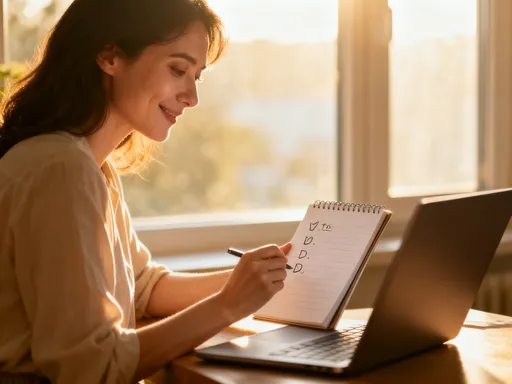
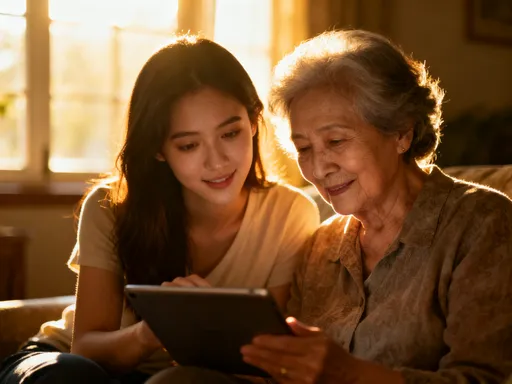
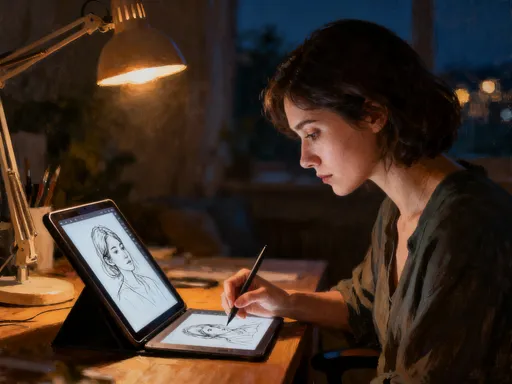
I found my way back to painting not in a studio, but on my tablet during a quiet evening after the kids went to bed. I wasn’t looking for a creative revolution—I was just trying to unwind. I downloaded a simple painting app on a whim, drawn in by the promise of “no experience needed.” I expected it to feel clunky, like most tech tools do when you’re not a digital native. But instead, it felt… intuitive. The interface was clean, the tools were labeled in plain language, and there was no intimidating blank canvas glaring at me. Instead, I could choose a starting point—a soft gradient, a nature scene, even a guided prompt like “Paint a garden in spring.”
That first session lasted only ten minutes, but something shifted. I wasn’t worried about making a “mistake” because there was no paint to spill, no paper to waste. If I didn’t like a stroke, I tapped “undo” and tried again. No judgment, no mess, no cost. It felt like someone had handed me a permission slip to play. And the best part? I didn’t need to carve out a special time or space. I could paint while waiting for dinner to cook, during a coffee break, or even in the five minutes before a Zoom meeting. The barrier to entry had vanished.
What surprised me most was how quickly it became a habit. I wasn’t setting out to become an artist—I was just showing up, curious and open. And each time I painted, I felt a little more grounded. It wasn’t about producing something beautiful (though sometimes I did). It was about reconnecting with a part of myself that had been quiet for too long. Online painting didn’t demand perfection. It welcomed presence. And in a world that constantly asks us to do more, be more, achieve more, that simple act of showing up—just for myself—felt revolutionary.
Tools That Feel Like Extensions of You
One of the reasons online painting feels so natural is that the tools are designed with real people in mind—not digital experts, but everyday users who want to create without frustration. Think about traditional painting: you need brushes, paints, water cups, palettes, paper, space to dry your work. One spilled jar, and your kitchen table is a disaster. But with digital platforms, all of that disappears. Your entire studio fits in your hand. And the tools? They’re built to support you, not challenge you.
Take the undo button. It sounds small, but it’s transformative. How many times have you avoided trying something new because you were afraid of messing up? In the digital space, mistakes aren’t failures—they’re part of the process. Tap once, and that bold red stroke you didn’t mean to make? Gone. You can experiment freely, knowing you’re not ruining anything. It’s like having a safety net that lets you take creative risks without fear.
Then there are the smart features that make art feel less intimidating. Some apps suggest color palettes that go well together, so you don’t have to guess which shades will harmonize. Others offer customizable brushes that mimic watercolor, oil, or pencil—no need to buy expensive sets. You can zoom in to add tiny details or step back to see the whole picture, all with a pinch or swipe. And because everything is saved automatically, you never lose your progress. No more finding a half-finished canvas covered in dried paint.
What makes these tools powerful isn’t their complexity—it’s their kindness. They don’t judge. They don’t rush you. They simply say, “Here, try this.” It’s like having a gentle guide beside you, whispering, “You’ve got this.” And over time, that support builds confidence. You start to trust your instincts. You begin to see that creativity isn’t about following rules—it’s about exploring, playing, and discovering what feels right to you.
Painting as Daily Therapy, Not Performance
Here’s something I didn’t expect: painting started to feel less like a creative activity and more like a form of self-care. I began scheduling short sessions like I would a walk or a cup of tea—something to reset my mind. On stressful days, I’d open the app and spend ten minutes blending soft blues and greens, not because I was making a masterpiece, but because it helped me breathe. It became my digital meditation.
I’m not alone. So many women I’ve spoken to use online painting the same way—as a way to decompress after a long day, to process emotions they can’t quite put into words, or to reclaim a few minutes just for themselves. One friend told me she paints during her commute on the train. Another said she does it while her kids watch cartoons on weekends. It’s not about the final image; it’s about the act itself. The rhythmic motion of the brush, the focus on color and shape, the way your thoughts slow down—it’s calming in a way that’s hard to describe unless you’ve tried it.
And unlike other forms of digital consumption—scrolling, checking emails, watching videos—this feels generative. You’re not just taking in information; you’re creating something. Even if no one else sees it, even if you delete it later, the act of making leaves a mark on your mood. Studies have shown that creative activities reduce cortisol levels, the hormone linked to stress. You don’t need a lab to prove it—just try painting for ten minutes after a tough day and notice how you feel afterward. Lighter. Softer. More like yourself.
The beauty of online painting is that it fits into real life. You don’t need hours. You don’t need special training. You just need a few quiet moments and the willingness to begin. And in those moments, something shifts. You’re not a mom, a worker, a caregiver—you’re just a person, expressing yourself freely. That’s powerful. That’s healing.
Sharing Without Pressure: A New Kind of Connection
One of the most surprising joys of online painting has been the sense of community. At first, I kept my creations private—just for me. But when I finally shared a piece in a beginner-friendly group, the response was warm and encouraging. No one asked, “Is this professional?” or “Did you take classes?” Instead, people said things like, “I love the colors!” or “This feels so peaceful.” It wasn’t about critique or competition. It was about connection.
Many online platforms have built-in communities where users share their work-in-progress, time-lapse videos, or even just their favorite brush settings. What makes these spaces special is that they celebrate the process, not just the product. You’ll see posts like, “My first try—messy but fun!” or “I painted this while feeling anxious today.” There’s vulnerability there, and it’s met with kindness. It’s a rare corner of the internet where imperfection is not just accepted—it’s honored.
For women who often feel pressure to appear “together”—whether at home, at work, or online—this kind of space is a gift. You don’t have to perform. You don’t have to impress. You can simply show up as you are. And in doing so, you often find others doing the same. I’ve made quiet friendships with women across the country, bonded not by location or background, but by a shared love of color, calm, and creative expression. We don’t talk every day. We don’t even comment on every post. But knowing we’re all out there, painting in our kitchens, bedrooms, and living rooms, creates a quiet sense of belonging.
And for those who choose not to share? That’s okay too. The option to keep your work private removes pressure and protects your creative space. Whether you share or keep it to yourself, the act of creating remains meaningful. Because at its core, this isn’t about an audience. It’s about authenticity.
Growing Skills Without the Grind
Here’s a secret: you don’t need formal lessons to get better at painting. I didn’t sign up for a course or spend hours studying techniques. I just kept showing up. And slowly, almost without noticing, I began to see changes. My color choices became more intentional. I started to understand how light and shadow work. I noticed composition—how placing a flower in one corner could balance the whole piece. These weren’t taught; they were learned through doing.
That’s the magic of low-pressure practice. When you’re not focused on being perfect, your brain is free to absorb and adapt. It’s like how children learn—through play, exploration, and repetition. You don’t force it. You let it happen. And because the digital space is so forgiving, you’re more willing to try new things. Want to paint a sunset? Try it. Not happy with it? Tap undo and try again. No cost, no waste, no shame.
Many platforms offer optional tutorials—short, guided sessions that walk you through a technique, like blending or layering. But they’re not mandatory. You can follow along if you want, or ignore them completely. The power is in your hands. And because there’s no grade, no test, no deadline, learning feels like a gift, not a chore.
Over time, I’ve surprised myself. I’ve created pieces I’m proud of—not because they’re perfect, but because they’re mine. And that pride isn’t tied to talent. It’s tied to showing up, day after day, and saying, “I’m worth this time.” That’s the real skill we’re building: not brush control, but self-trust.
Why This Matters Beyond the Screen
The ripple effects of online painting go far beyond the digital canvas. I’ve noticed changes in how I move through the world. I’m more observant—I catch the way light hits a tree, the subtle shift in sky color at dusk. I’m more patient—with my kids, with my work, with myself. Creativity has a way of softening edges, of helping us see beauty in the ordinary.
Some women I know have started carrying sketchbooks again. Others print their digital art and frame it, turning their creations into home decor. A few have even gifted their paintings to loved ones—no longer hiding their work, but sharing it with pride. And while not everyone will hang their art on a gallery wall, everyone benefits from the act of making.
Because here’s what online painting really offers: a reminder that you are more than your roles. You are not just a mother, a partner, a worker. You are a person with imagination, with feelings, with a voice that deserves to be heard—even if it speaks in color instead of words. In a world that often asks you to shrink, to silence yourself, to put everyone else first, making art is an act of quiet rebellion.
And it’s accessible to all of us. You don’t need talent. You don’t need time. You just need the willingness to begin. So if you’ve ever thought, “I’m not creative,” I invite you to try something new. Download an app. Tap “start.” Paint one stroke. Let it be messy. Let it be imperfect. Let it be yours. Because the world doesn’t need more perfect art. It needs more women who remember how to play, how to feel, how to create—just for themselves. And in that simple act, you might just find your way back to you.