Oaxaca Day of the Dead Lodging Prices Triple Three Weeks Before Altars Rise
Oaxaca City transforms in late October. The scent of cempasuchil marigolds fills the air, families begin assembling altars, and hotel rates climb sharply. Three weeks before the altars rise — around October 7 — a room that typically goes for under US$50 jumps to US$150 or more. By the time the first altars appear on October 28, occupancy hovers near 90 percent. This is not a surprise to anyone who has tried to book a room in Oaxaca during Day of the Dead, but the scale of the price surge and its timing are worth examining before you plan a trip.
Oaxaca City Lodging Triples as Day of the Dead Nears
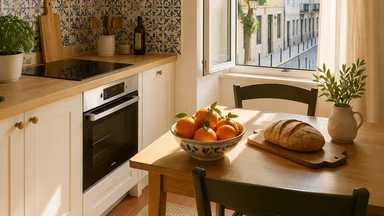
The pattern holds across hotels, Airbnbs, and guesthouses. A double room in a mid-range hotel near the zócalo that rents for US$45 in early October lists at US$135 for the nights of October 28 through November 2. Airbnb hosts with one-bedroom apartments in the centro historico raise rates from around US$50 to US$160, according to listings observed in September 2025 for the 2026 dates. Some hosts charge even more — a well-reviewed apartment near the Andador de Macedonia Alcalá reached US$200 a night for a three-night minimum.
Local hosts report that bookings for this window fill by mid-September. By October 15, roughly 90 percent of available rooms are taken, according to informal surveys by the Oaxaca Hotel Association. The remaining options are either luxury suites at US$300-plus or shared dorms in hostels that have raised their per-bed price from US$15 to US$50. The demand is driven largely by international tourists, many of whom plan around the Instagram-friendly imagery of face paint and candlelit cemeteries. Oaxaca's capacity — roughly 12,000 hotel rooms in the city proper — cannot absorb the influx comfortably.
Influencer culture has accelerated the trend. A single viral post of a glowing altar in the Panteón General can spike booking inquiries within hours. Hostel owners in the Jalatlaco neighborhood told this writer that they saw a 40 percent jump in reservation requests after a travel influencer with 500,000 followers posted a reel in late September 2025. The result is a compressed booking window and higher prices for everyone.
Some travelers try to beat the surge by arriving a week early, but the price ramp begins around October 7. By October 20, most budget options are gone. The only way to secure a room under US$80 is to book by early August. Refundable rates cost about 20 percent more but give flexibility if plans change.
Why Three Weeks? The Altar-Building Calendar
Day of the Dead is often marketed as a single-day event on November 1 or 2, but the preparations start much earlier. Altars typically go up on October 28 — the date when, according to tradition, the souls of those who died violently or in accidents are remembered. This is followed by October 30 and 31 for the souls of children, then November 1 for adults, and November 2 for all souls. Tourists who arrive by October 25 can witness families shopping for cempasuchil, pan de muerto, and sugar skulls at the markets. The atmosphere is alive but not yet chaotic.
Price surges track this calendar. Three weeks before October 28 is October 7, which is when many hotels begin applying their high-season rates. By October 25, prices peak and stay high through November 2. After November 5, rates drop back to normal. A room that cost US$150 on October 30 might go for US$40 on November 6. The drop is steep and reliable.
Why do tourists arrive so early? Many want to see the altars being built, attend workshops, or avoid the biggest crowds. But the early arrival also strains lodging supply. The city's tourism office estimates that around 120,000 visitors come for Day of the Dead, nearly doubling Oaxaca's population. Most arrive between October 28 and November 1, but a growing share — roughly 30 percent — now come during the preceding week.
For locals, the early tourist presence can feel intrusive. Families setting up altars in their homes often find strangers peering through windows or knocking to ask for photos. Some neighborhoods have responded by posting signs that say "Altar Familiar — No Turistas" or by holding community-only events. Respecting these boundaries is part of traveling responsibly.
Transport Surge: Buses and Flights Fill Fast
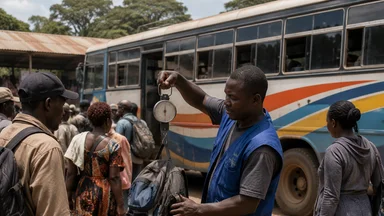
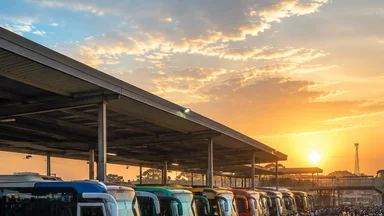
Getting to Oaxaca during this window requires advance planning. ADO buses from Mexico City's TAPO terminal sell out days ahead of the peak weekend. A first-class ticket that normally costs around MXN 600 (roughly US$30) can hit MXN 900 or more if booked last minute. The journey takes about six hours, and buses run roughly every 30 minutes, but even that frequency cannot meet demand. By October 25, many departures are full.
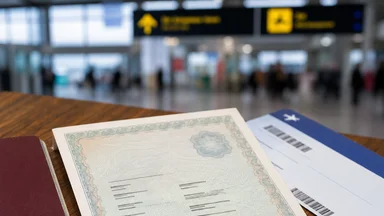
Oaxaca's Xoxocotlán Airport sees double the passenger load in October compared to an average month, according to airport authority data from 2024. Airlines add extra flights from Mexico City, Monterrey, and a handful of US cities. Flights booked less than three weeks in advance can cost two to three times the early-bird fare. A round-trip from Los Angeles that goes for US$400 in September might be US$1,200 in late October.
Taxis from the airport charge flat rates that increase by 50 to 70 percent during the festival. The standard fare to the centro is around MXN 250 (US$12) in low season, but from October 25 to November 2, drivers ask MXN 400–500. Ride-hailing apps like Didi and Uber operate in Oaxaca but surge pricing applies; a ride that costs MXN 80 in normal times can reach MXN 200. Cash is preferred, as card readers sometimes "break" during busy periods.
Rental cars are booked solid by August. Companies like Europcar and local agencies raise rates by roughly 80 percent for the period. A compact car that rents for US$35 per day in September goes for US$60–70 in late October. Many visitors find that relying on colectivos — shared vans that run fixed routes — is cheaper and less stressful. Colectivo fares within the city rise by about 30 percent, from MXN 8 to MXN 10 or 12, still a bargain compared to taxis.
What Locals Actually Do—and What Tourists Miss
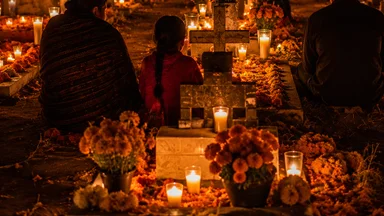
The most visible tourist activities — face painting, parade-watching, cemetery visits during the day — are not what Oaxaqueños prioritize. Local families typically visit cemeteries at night, often after 9 pm, when the candles are lit and the atmosphere turns intimate. They bring mole, mezcal, and family photos to share with the deceased. The cemetery becomes a gathering place for storytelling, not a photo studio.
Altars in homes are built for ancestors, not for strangers. A typical altar includes layers representing earth, wind, water, and fire, with items like salt, bread, and the favorite foods of the departed. Many families open their doors to neighbors but not to random tourists. Communities in the central valleys, like San Felipe and Santa María Atzompa, welcome visitors to their pantheons but request a small donation — often MXN 20–50 — to help maintain the grounds.
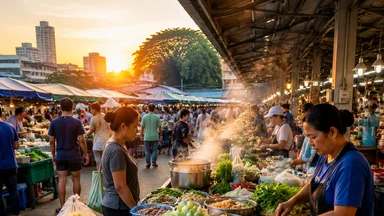
Street food vendors set up near cemeteries during the nights of November 1 and 2. They sell tamales, atole, and champurrado, a thick chocolate-based drink. These stalls are where locals eat, not the restaurants near the zócalo. A tamale costs around MXN 15, and a cup of atole runs MXN 10. Tourists who stick to the main square miss this side of the celebration entirely.
One common mistake is expecting a single, centralized event. Day of the Dead in Oaxaca is decentralized. Each neighborhood holds its own observances. The Panteón General in the centro gets crowded, but smaller cemeteries in outlying colonias offer a more genuine experience. Locals recommend visiting the panteón in San Felipe del Agua around 10 pm on November 1, when the crowd is sparse and the candlelight creates a quiet reverence.
Booking Strategy: Three Months Ahead Minimum
To secure a room at a reasonable price, start looking in early August. That is when many hotels and Airbnb hosts release their inventory for late October. Refundable options cost about 20 percent more but protect against itinerary changes. Non-refundable bookings can save 10–15 percent but carry risk if flight schedules shift.
Neighborhoods outside the centro offer better value. Jalatlaco, a colorful barrio a 15-minute walk from the zócalo, has guesthouses with private rooms for under US$80 before the surge. Xochimilco, near the basilica, also has options in the US$60–100 range. These areas are quieter and closer to local markets. Hostels in these neighborhoods raise dorm beds to US$40–60 a night, still cheaper than most private rooms in the centro.
For those on a tight budget, consider staying in nearby towns like San Bartolo Coyotepec or Zaachila, about 20 minutes by colectivo. Rooms there can be found for US$30–50 even in late October. The trade-off is travel time: colectivos run less frequently after 9 pm, and taxis from the centro cost US$10–15. Still, the savings can be substantial.
Another strategy is to book a room for the first half of the week and move to a cheaper option after November 2. Prices drop sharply on November 3, as most tourists leave. A split stay — three nights in a US$150 room and four nights in a US$50 room — can bring the average nightly cost down to around US$90. This requires some coordination but is feasible.
Not everyone finds early booking appealing. Some travelers prefer spontaneity, even if it means paying more. For them, waiting until October to decide might be worth the premium. Hostels and last-minute cancellations sometimes free up rooms, though the risk of paying double is real. A traveler who books in mid-October for late October might find a dorm bed for US$50 but could also end up with no options under US$200. The trade-off is between cost certainty and flexibility.
Day-of Advice: Skip the Main Events, Walk the Barrios
The zócalo and the Andador Turístico become impassable after 8 pm on October 31 and November 1. Thousands of people pack the narrow streets, making it difficult to see altars or even move. Instead, visit the barrios. San Felipe, Jalatlaco, and Xochimilco have neighborhood altars that are less crowded and more welcoming. Many are set up in front of homes or in small plazas.
Free walking tours run by local collectives, such as those organized by the Oaxaca Lending Library or cultural centers, start around 4 pm and cover the history of the tradition. These tours are tip-based (MXN 100–200 suggested) and provide context that self-guided visits lack. Guides often share stories about their own families' altars, which adds a personal layer.
Buy pan de muerto early. Bakeries like Pan y Café or La Flor de Oaxaca sell out by 11 am. The bread is best fresh, and prices rise slightly during the week — a loaf that costs MXN 25 on October 20 might be MXN 35 by November 1. The same applies to cempasuchil flowers; markets charge double in the final days.
ATMs run dry by October 30. The machines near the zócalo are emptied within hours of being refilled. Locals advise withdrawing cash by October 25 and keeping small bills. Many vendors and colectivo drivers cannot change MXN 500 notes. Having a stash of MXN 20 and 50 bills makes transactions smoother.
Recent changes have also affected the experience. In 2024, the city introduced a permit system for large tour groups in the Panteón General, limiting access to certain hours. Some neighborhoods now require guides to register in advance. These measures aim to reduce overcrowding, but they also mean that unplanned visits to popular cemeteries might result in being turned away. Checking local announcements in October is wise.
Ground-Truth Cost: A Week in Late October
A seven-night stay in late October costs roughly US$700–1,200 for lodging alone, assuming a mid-range private room. If you book early and stay outside the centro, you can keep it closer to US$500. Meals at markets and street stalls run US$15–25 per day per person. A typical breakfast of tlayudas and coffee costs around MXN 60 (US$3). Lunch at a mercado comedor is MXN 80–120. Dinner at a casual restaurant runs MXN 150–250.
Transport within the city via colectivo costs US$3–5 daily. A taxi from the airport is US$12–20 each way. Entrance to cemeteries and most events is free, though some community-organized altars request a small donation. A guided tour or workshop might cost US$20–40. Souvenirs — alebrijes, textiles, ceramics — vary widely; a small hand-painted alebrije starts at around MXN 200.
All told, a one-person budget for the week comes to roughly US$900–1,500, depending on accommodation choices and how much you eat out. That is higher than a normal week in Oaxaca, which can run US$400–600. The premium is steep but manageable if you plan ahead.
For comparison, similar festival-driven price surges occur in other destinations. The Takayama Festival lodging prices quadruple six weeks before the spring parade, and Georgia Kazbegi guesthouse prices triple after October military road closures. The pattern is universal: high demand plus limited supply equals inflated rates. Oaxaca's version is particularly sharp because the festival draws both domestic and international crowds.
Is it worth the cost? That depends on your tolerance for crowds and your interest in the authentic aspects of the tradition. Many travelers leave Oaxaca feeling that the buildup exceeded the reality. Others find the nighttime cemetery visits deeply moving. The key is to go with realistic expectations, a solid booking, and respect for what the celebration means to the people who live there year-round.