Kenya Safari Bag Limit Math Favors 15-Kilo Weight Over 23-Kilo Standard
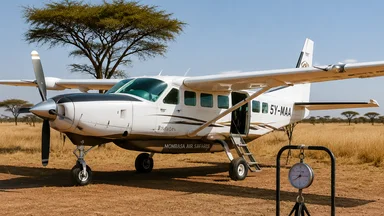
You land at Jomo Kenyatta International Airport in Nairobi with a 23-kilogram suitcase, the standard allowance for most international flights. You are heading to the Maasai Mara. The safari operator meets you at the domestic terminal and points to a small scale. Your bag goes on. The needle swings past 15. You are told the excess will cost roughly US$5 to US$10 per kilo. Or you can leave the suitcase behind. This is the moment the math of a Kenya safari reveals itself: the 15-kilo limit on small charter planes is the single most under-communicated constraint in East African travel.
Why Your 23-Kilo Suitcase Might Ground You in Nairobi
The aircraft that service safari airstrips—Cessna Caravans, Twin Otters, and similar models—have strict weight-and-balance limits. Passengers, luggage, fuel, and cargo all compete for a finite payload. Most operators set a soft limit of 15 kilograms per person for checked luggage, and that includes your carry-on. Camera gear, binoculars, and even a small backpack get weighed together. Some airlines, as of late 2024, have tightened to 12 kilograms on certain routes, though this data is not always published on booking sites.
The 23-kilo standard from your international flight becomes a liability. You have three options: pay the excess fee, which can add US$50 to US$100 per leg; store the suitcase in Nairobi at roughly US$5 to US$10 per day; or repack at the airport. Many travelers choose storage, but they forget that the stored bag contains items they will need on safari—warm layers for cold mornings, a rain jacket, extra batteries. The result is a second round of purchases at inflated lodge prices.
Safari operators are not trying to be difficult. The limit is a safety calculation. Small planes have a maximum takeoff weight; exceeding it affects performance, especially at high-altitude airstrips. Captain James Mwangi, a pilot with Safarilink Aviation, explained to me in Nairobi that on hot days, the plane might need to leave fuel behind to stay within limits, which reduces range. The 15-kilo rule is a buffer. Travelers who ignore it end up frustrated, paying fees, or leaving belongings behind.
If you are flying between multiple camps, the weight limit applies on each leg. Some operators weigh you and your bag together. A traveler weighing 90 kilograms plus a 15-kilo bag uses more payload than a 60-kilogram traveler with the same bag. This is rarely explained at booking. The practical takeaway: pack light, and confirm the limit with your operator before you leave home.
The Real Cost of a Bottle of Water in the Maasai Mara
Dehydration on safari is a real risk. The sun is intense, the air is dry, and game drives can last six hours without a restroom stop. Lodges and camps sell 1.5-liter bottles of water for US$3 to US$5 each. In a Nairobi supermarket, the same bottle costs US$0.30 to US$0.50. The markup is roughly tenfold. Over a week-long safari, a person might drink three to four liters per day, especially if active. That adds up to US$60 to US$140 just for water, if bought at the lodge.
The tap water in Kenya is not safe to drink. Even locals boil or filter it. Bottled water is the standard, but the environmental cost of all those plastic bottles is significant. Some lodges provide refillable bottles and filtered water stations, but not all. A traveler named Sarah from Australia, whom I met in the Mara last year, assumed her camp included water in the rate. It did not. She spent roughly US$80 on bottled water over five days.
A practical workaround is to bring a reusable bottle and a portable filter. A LifeStraw or purification tablets weigh almost nothing and cost around US$15 to US$20. They allow you to refill from lodge taps or even streams in a pinch. Some camps have reverse-osmosis systems and will fill your bottle for free. Ask before you arrive. The answer affects your budget and your pack weight.
Another option is to buy a case of water in Nairobi before heading to the airstrip. A 12-pack of 1.5-liter bottles costs about US$5 to US$7 in a supermarket. You can check it with your luggage, but remember the 15-kilo limit. Water is heavy. One liter weighs one kilogram. A case adds 18 kilograms. That is likely to push you over the limit. The math circles back: lightweight purification is the smarter choice.
SIM Cards and the 30-Day Data Trap
Staying connected on safari is easier than it was five years ago, but the details matter. Safaricom is the dominant carrier, with the best rural coverage, including in the Maasai Mara and Amboseli. A tourist SIM card costs roughly US$5 to US$10 and comes with 1 to 3 gigabytes of data. Registration requires your passport and takes 15 to 30 minutes at the airport kiosk. The data is valid for 30 days from activation, with no rollover. If you arrive on day one of a two-week trip and use data sparingly, you might run out before the end.
Airtel offers similar pricing, but its coverage in rural areas is weaker. Some travelers buy both SIMs to compare, but that doubles the cost and the registration hassle. The trap many fall into is the daily data cap. Safaricom's tourist plans often throttle speed after roughly 500 megabytes per day. Streaming video or uploading high-resolution photos can hit that cap quickly. After that, browsing slows to near-uselessness.
If you need reliable data for work or navigation, consider buying a larger plan upfront. Safaricom offers a 10-gigabyte plan for around US$15 to US$20. Alternatively, some lodges have Wi-Fi, but it is often slow and shared among guests. Download offline maps and guidebooks before you leave Nairobi. Google Maps allows offline downloads for specific regions. The Maasai Mara area is large; download it over hotel Wi-Fi in the city.
A traveler named David from the UK, whom I spoke with at a lodge in the Mara, bought a SIM at the airport, used 1 GB in three days for WhatsApp and basic browsing, and hit the throttle. He ended up buying a second SIM at a Safaricom shop in Narok, paying another registration fee. The lesson: estimate your data needs realistically, and buy a plan that covers the entire stay. The 30-day expiry is not a problem if you use the data within that window, but the daily cap is a hidden constraint.
Currency Exchange: The Kenyan Shilling Spread You Never Expected
The Kenyan shilling is not a hard currency. You cannot buy it easily outside East Africa. Most travelers arrive with US dollars or euros and exchange at the airport. The airport forex bureaus offer spreads of 5 to 8 percent. That means if the market rate is 130 shillings to the dollar, you might get 120 or 122. On a US$500 exchange, that is a loss of US$25 to US$40.
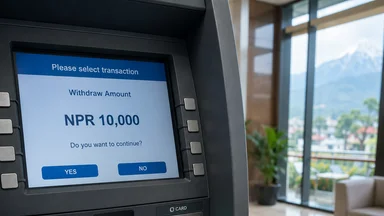
Nairobi city-center bureaus, especially along Mama Ngina Street, offer spreads of 1 to 2 percent. A short taxi ride from the airport can save you significant money. But many travelers are in a hurry to connect to a domestic flight and skip the detour. Another option is to use an ATM. Kenyan bank ATMs dispense shillings at the interbank rate, but they charge a flat fee of roughly US$3 to US$5 per transaction, plus a foreign transaction fee of 1 to 3 percent from your home bank. Withdrawing larger amounts reduces the per-unit cost.
US dollars are widely accepted at lodges, camps, and some shops, but the exchange rate offered is often poor—sometimes 5 to 10 percent below the market rate. Some places accept only crisp, undamaged bills. Notes issued before 2013 are frequently rejected. I saw a traveler named Tom from Canada at a lodge in the Mara trying to pay with a US$20 bill that had a small tear. The receptionist refused it. Tom had to use a credit card instead, incurring a 3 percent surcharge.
Carrying a mix of cash and a card is sensible. Use ATMs in Nairobi for shillings, and keep US$100 bills as backup. Avoid exchanging large amounts at the airport. The spread is the price of convenience, and it adds up. Some travelers bring euros or pounds, but those are less widely accepted outside Nairobi. The shilling is the most practical currency for small purchases—water, snacks, tipping—and for park fees, which are often quoted in dollars but paid in shillings at a fixed rate.
Park Fees That Double the Trip Budget
The Maasai Mara National Reserve charges non-resident entry fees of US$70 to US$80 per person per day. That is for the reserve itself. If you are staying in a private conservancy bordering the Mara, there is an additional conservation fee of US$20 to US$30 per person per night. A vehicle fee of roughly US$40 to US$50 per day applies to the safari vehicle, which is usually split among passengers. For a group of four, that adds US$10 to US$12.50 per person per day.
These fees are set by the Kenya Wildlife Service and the respective county governments. They are revised periodically. As of early 2025, the Mara entry fee was US$80 for adults. Some sources still list US$70. The difference matters for budget planning. A seven-day stay in the Mara, including three nights in the reserve and four in a conservancy, can cost US$560 to US$700 per person just in entry and conservation fees. That does not include accommodation, transport, or meals.
Other parks have different fee structures. Amboseli National Park charges around US$60 per person per day. Lake Nakuru is about US$50. Tsavo West and East are US$50 to US$60. The fees are per day, not per visit. If you enter the Mara on Monday, leave for a day trip to a neighboring conservancy, and return on Wednesday, you pay for each day you are inside the reserve. Some travelers try to minimize days inside high-fee parks, but the wildlife viewing is best there.
Camping fees add another layer. If you are on a budget safari and camping inside the reserve, the fee is roughly US$30 to US$50 per tent per night. Public campsites are cheaper but basic. Private campsites within conservancies are more expensive but include amenities. The total park fee bill can easily exceed the accommodation cost. Check the Kenya Wildlife Service website for current rates, but be aware that fees can change with little notice. Some tour operators include park fees in their quoted price; others do not. Always ask for a line-item breakdown.
The Paperwork Stack That Catches Even Seasoned Travelers
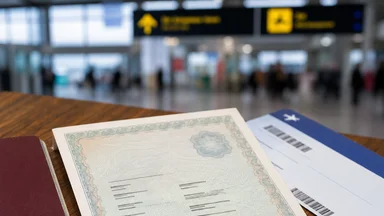
Kenya introduced an electronic travel authorization (eTA) system in 2024, replacing the visa-on-arrival. The eTA costs US$30 to US$50, depending on processing speed, and must be applied for at least three days before travel. The application is online, requires a passport scan and a recent photo, and takes about 15 minutes to fill out. Approval is usually granted within 48 hours, but some travelers report delays of up to a week. Do not wait until the last minute.
The yellow fever vaccination card is mandatory for entry into Kenya. If you do not have it, you may be denied boarding or entry. The vaccination is valid for life, but you need the card. Some travelers forget it in a checked bag or at home. I have seen a traveler named Maria from Brazil turned away at the immigration counter in Nairobi and forced to get a vaccination at the airport clinic, which cost US$50 and took an hour. The card is checked again at some park gates, though enforcement varies.
Proof of onward travel is required at check-in for your flight to Kenya. The airline wants to see a return ticket or a ticket to another country. A one-way ticket to Nairobi without proof of departure can result in denied boarding. This is standard for many countries, but it catches travelers who plan to overland to Tanzania or Uganda. A bus ticket or a flight booking to a neighboring country usually satisfies the requirement.
For domestic flights within Kenya, some airlines check baggage weight again at the gate for small planes. Even if you passed the check-in counter, the gate agent may re-weigh your bag. A traveler named James from the US was asked to repack at the airstrip because his duffel was 16.5 kilograms. He had to leave a bag of souvenirs behind with the pilot, who shipped it to Nairobi for a fee. The paperwork stack is not just about entry; it continues through the trip. Keep copies of your eTA, vaccination card, and flight bookings in a separate pouch.
Bag Drops and the 15-Kilo Packing List
The solution to the 15-kilo limit is to leave your 23-kilo suitcase in Nairobi. Most hotels offer luggage storage for US$5 to US$10 per day. Some safari operators have a storage room at their Nairobi office. Pack a separate duffel bag that weighs under 15 kilograms, including the bag itself. Soft-sided duffels are easier to weigh and fit into small plane cargo holds. Hard-shell suitcases are heavier and less flexible.
What goes into the duffel? Lightweight layers are key. Mornings on safari can be 10°C (50°F) in the open vehicle; afternoons can reach 30°C (86°F). A fleece jacket, a lightweight rain jacket, and long pants for the evening. Shorts and T-shirts for the day. A hat, sunglasses, and sunscreen. Binoculars are essential; a compact 8x42 model weighs about 700 grams. A camera with a zoom lens adds another 1 to 2 kilograms. A power bank for charging devices. A reusable water bottle. That is the core.
Many lodges offer laundry service for roughly US$5 to US$10 per load. You can pack for three to four days and wash clothes mid-trip. This reduces the amount you need to carry. Test pack at home with a luggage scale. The scale costs about US$10 and can save you from paying excess fees. A traveler named Anna from Germany once unpacked a full suitcase on the tarmac in Wilson Airport, repacking into two bags to meet the limit. The stress was avoidable.
If you are visiting multiple camps, consider that each leg resets the weight limit. Some travelers leave a bag at the first camp and pick it up on the way back, but that requires coordination. The cleanest approach is to accept the 15-kilo reality before you leave home. Packing light is not a compromise; it is the price of access to the bush. The 23-kilo standard of international travel is a luxury you leave at the hotel. The safari math favors the smaller number.